20 Oct 2026
Inside Mobile Interfaces: How App Mechanics Shape Strategic Play in Regulated Tournament Promotions
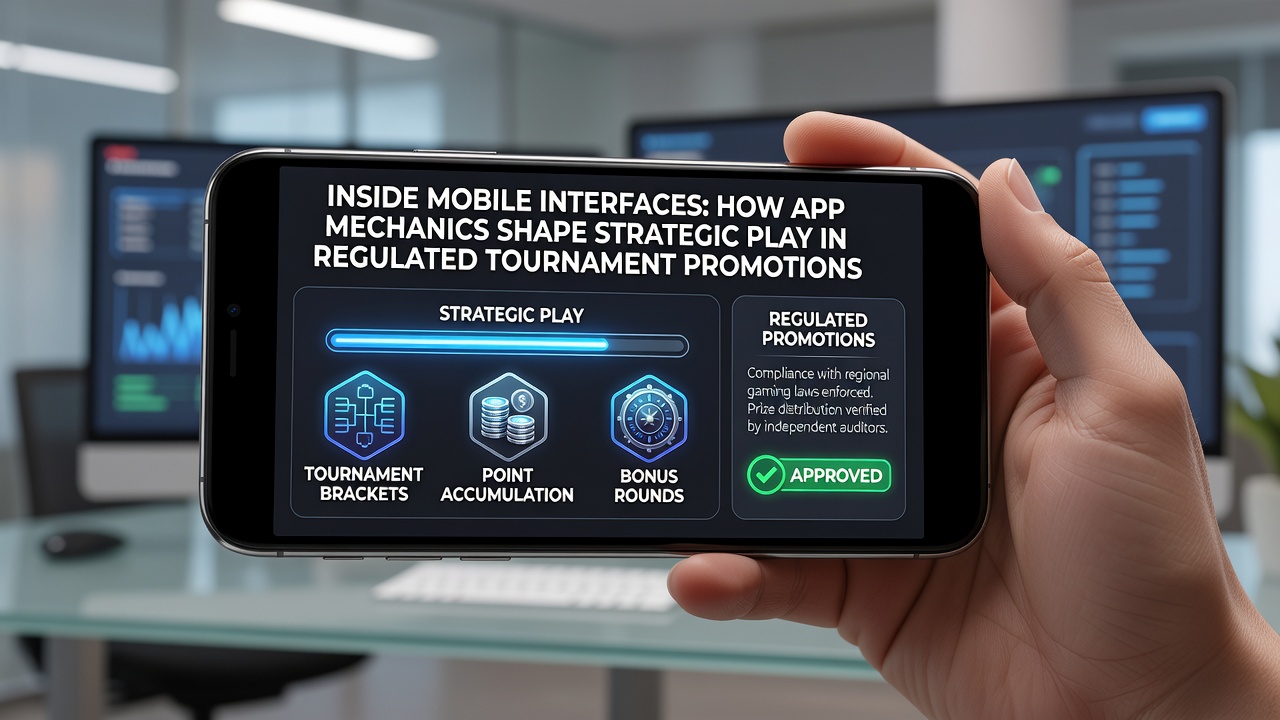
Regulated tournament promotions increasingly rely on mobile interfaces that guide player choices through layered mechanics such as gesture controls, instant notifications, and dynamic stack displays, and these elements combine to influence decision timing while maintaining compliance with jurisdictional rules. Data from industry reports shows that apps incorporate touch-responsive buttons and animated timers to streamline actions like fold, call, or raise during live events, which reduces input errors yet channels attention toward specific strategic paths at each stage of play.
Core Design Features in Tournament Apps
App developers integrate swipe gestures for quick chip adjustments alongside tap-based confirmation screens, and this setup allows participants to execute multi-step strategies without leaving the main game window. Research indicates that real-time opponent tracking overlays appear in many platforms, presenting filtered data on betting patterns that players consult when adjusting their aggression levels mid-hand. Such features operate within frameworks established by regulatory bodies including the New Jersey Division of Gaming Enforcement, where interface standards require clear disclosure of odds and promotion terms to prevent misleading prompts during entry or re-entry phases.
Notification systems deliver timed alerts about blind increases or prize pool updates, and these messages arrive through customizable channels that let users prioritize strategic information over promotional banners. Observers note that color-coded risk meters often accompany these alerts, highlighting when stack sizes fall below average thresholds, which encourages earlier position plays rather than passive waiting. In jurisdictions preparing updated tax frameworks for October 2026, platforms must also embed compliance tags that surface automatically when users access cross-border promotions, ensuring that interface elements do not obscure mandatory disclosures.
Strategic Adjustments Driven by Interface Mechanics
Players adapt their approaches based on how apps present hand histories and range charts, since condensed views on smaller screens favor simplified decision trees over exhaustive analysis. Studies from academic gaming research centers reveal that interfaces featuring one-tap rebuy options during late registration periods correlate with higher average entry volumes, as the reduced friction lets participants maintain momentum without navigating separate menus. Yet the same systems track cumulative spend metrics that feed back into responsible gaming modules, displaying session limits that prompt breaks before users exceed preset thresholds.

Animation timing plays a measurable role here, because smooth transitions between betting rounds keep cognitive load lower during extended sessions, whereas abrupt screen shifts can interrupt flow and force more conservative choices. Tournament directors report that apps with integrated chat overlays restricted to pre-defined strategic phrases maintain pace while limiting distractions that might otherwise shift focus away from core mechanics. These constraints appear most frequently in promotions tied to seasonal leaderboards, where point multipliers activate through specific in-app milestones that reward consistent engagement rather than isolated high-stakes moves.
Regulatory Frameworks and Promotion Integration
Authorities across multiple regions enforce interface audits that verify every promotional trigger aligns with fair play standards, and this process includes testing how gesture sensitivity settings affect the speed of strategic responses in high-pressure moments. Figures from the Australian Institute of Criminology gaming studies indicate that mobile platforms in regulated markets achieve compliance rates above 95 percent when they embed geo-fencing and identity verification steps directly into the login flow, which prevents unauthorized access during multi-table events. The result is a layered environment where strategic play emerges from both player skill and the constraints built into the software itself.
Promotional structures such as satellite qualifiers or overlay guarantees rely on progress bars and countdown clocks that update continuously, directing attention toward remaining time windows and encouraging calculated risk assessments at each interval. Data shows these visual cues increase participation consistency across sessions, particularly when paired with historical performance graphs that highlight personal trends without revealing individual hand details to others. In regions adjusting gaming tax structures ahead of October 2026, developers are incorporating modular code blocks that let operators toggle promotion visibility based on user location and account status, which streamlines regulatory updates without requiring full app redesigns.
Conclusion
Interface mechanics continue to evolve alongside regulatory expectations, and the interplay between gesture controls, data overlays, and compliance modules shapes how participants approach each decision point in regulated tournament settings. Ongoing refinements in these systems reflect both technological capabilities and the need to sustain transparent play across diverse jurisdictions.